
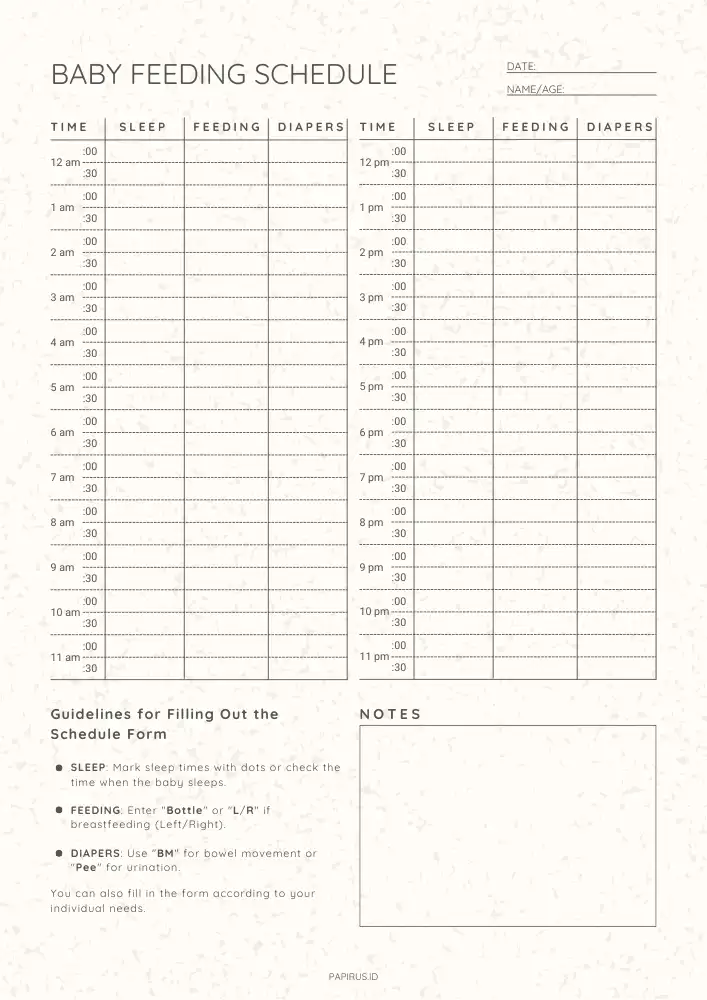
As a parent, keeping track of your baby’s feeding schedule is essential for their health and well-being. A well-structured baby feeding schedule helps ensure your little one is getting the right amount of nutrition at the right time, providing peace of mind for parents and caregivers.
Why a Baby Feeding Schedule Matters
Establishing a consistent feeding routine is crucial in a baby’s early months. It not only supports proper growth and development but also helps parents recognize patterns, track feeding habits, and ensure their baby is well-nourished. By following a schedule, parents can:
- Prevent overfeeding or underfeeding
- Track feeding times and amounts for better monitoring
- Establish a sense of routine for both baby and parent
- Identify any irregularities in feeding habits
- Reduce stress by creating a predictable daily rhythm

How to Create an Effective Baby Feeding Schedule
A baby’s feeding schedule varies depending on their age, dietary needs, and whether they are breastfed or formula-fed. Below is a general guideline:
Newborn to 2 Months
- Feed every 2-3 hours (about 8-12 times per day)
- Breastfed babies: Nurse on demand, typically 10-15 minutes per breast
- Formula-fed babies: 2-3 ounces per feeding
- Look for hunger cues like rooting, sucking motions, or crying
2 to 4 Months
- Feed every 3-4 hours
- Breastfed babies: Continue nursing on demand
- Formula-fed babies: 4-5 ounces per feeding
- Start introducing a more predictable schedule
- Observe changes in sleep patterns that may affect feeding frequency
4 to 6 Months
- Feed every 4-5 hours
- Begin introducing small amounts of solid foods (if recommended by a pediatrician)
- Formula or breast milk remains the main source of nourishment
- Offer iron-rich foods such as pureed meats or cereals
6 to 12 Months
- Feed every 4-5 hours with additional solid meals
- Encourage self-feeding and exposure to different textures
- Maintain a balance of breast milk/formula and solids
- Introduce finger foods and encourage chewing skills
- Establish a mealtime routine with family

Tips for Sticking to a Feeding Schedule
- Use a Baby Feeding Schedule Tracker
Keeping a log of your baby’s feeding times and amounts allows you to monitor their intake and identify any patterns. - Be Flexible
While consistency is key, it’s important to be adaptable based on your baby’s hunger cues and growth spurts. - Monitor Hunger and Fullness Signs
Look for hunger signs such as sucking on hands or fussiness, and stop feeding when your baby shows signs of being full. - Stay Hydrated and Well-Nourished
If breastfeeding, make sure you stay hydrated and maintain a balanced diet to support milk production. - Consult a Pediatrician
Every baby is different, so it’s always a good idea to check with your pediatrician to ensure your baby is following a healthy feeding pattern. - Create a Comfortable Feeding Environment
Whether you’re bottle-feeding or breastfeeding, a calm and quiet setting can make feeding sessions smoother and more enjoyable. - Prepare for Growth Spurts
Babies experience growth spurts at different stages, often leading to an increased appetite. Be ready to adjust their feeding schedule accordingly. - Establish a Nighttime Feeding Routine
Feeding your baby before bedtime can help promote longer sleep stretches, especially as they grow older.

Common Challenges and Solutions in Baby Feeding Schedules
Even with a structured plan, challenges can arise. Here are some common issues and ways to address them:
- Baby refuses to eat: Check for distractions, illness, or teething discomfort. Offer food in a calm environment.
- Frequent night waking for feeding: Gradually reduce nighttime feedings by increasing daytime intake.
- Digestive issues: Monitor for signs of intolerance or allergies, such as excessive spit-up, gas, or rash, and consult your pediatrician if needed.
Get Your Baby Feeding Schedule Template
For an easy way to track feedings, download our printable baby feeding schedule template. It allows you to log feedings, amounts, and times, helping you maintain an organized routine. If you’d like to support us, you can purchase a premium version on Etsy through link below.
For an alternative baby schedule printable log, visit: PapirusID Baby Daily Log. This printable log can help track feeding times, diaper changes, sleep patterns, and more.
FAQs About Baby Feeding Schedules
Look for signs such as steady weight gain, six or more wet diapers per day, and a satisfied baby after feeding.
The American Academy of Pediatrics recommends introducing solids around six months of age when your baby shows signs of readiness.
For newborns, yes. Babies need frequent feedings for proper growth. As they grow, they will naturally sleep for longer stretches.
Start offering small amounts of water or milk in a sippy cup around six months. Gradually replace one bottle feeding at a time.
Babies may refuse food due to teething, illness, or changes in routine. Try different textures and ensure a stress-free feeding environment.
Leave a Reply